Cessna SkyCourier UX: What to know about the autonomous logistics concept
The Cessna SkyCourier UX concept pairs the existing proven SkyCourier platform with Merlin Pilot autonomy to explore a medium-payload logistics capability for distributed and contested environments.
Here are answers to key questions about the concept and its potential missions.
What is the SkyCourier UX?
The Cessna SkyCourier UX is a concept that combines the proven Cessna SkyCourier platform with Merlin Pilot autonomy to explore a medium-payload, autonomous or pilot-optional logistics capability for distributed and contested logistics.
Why was the SkyCourier selected as the foundation for the concept?
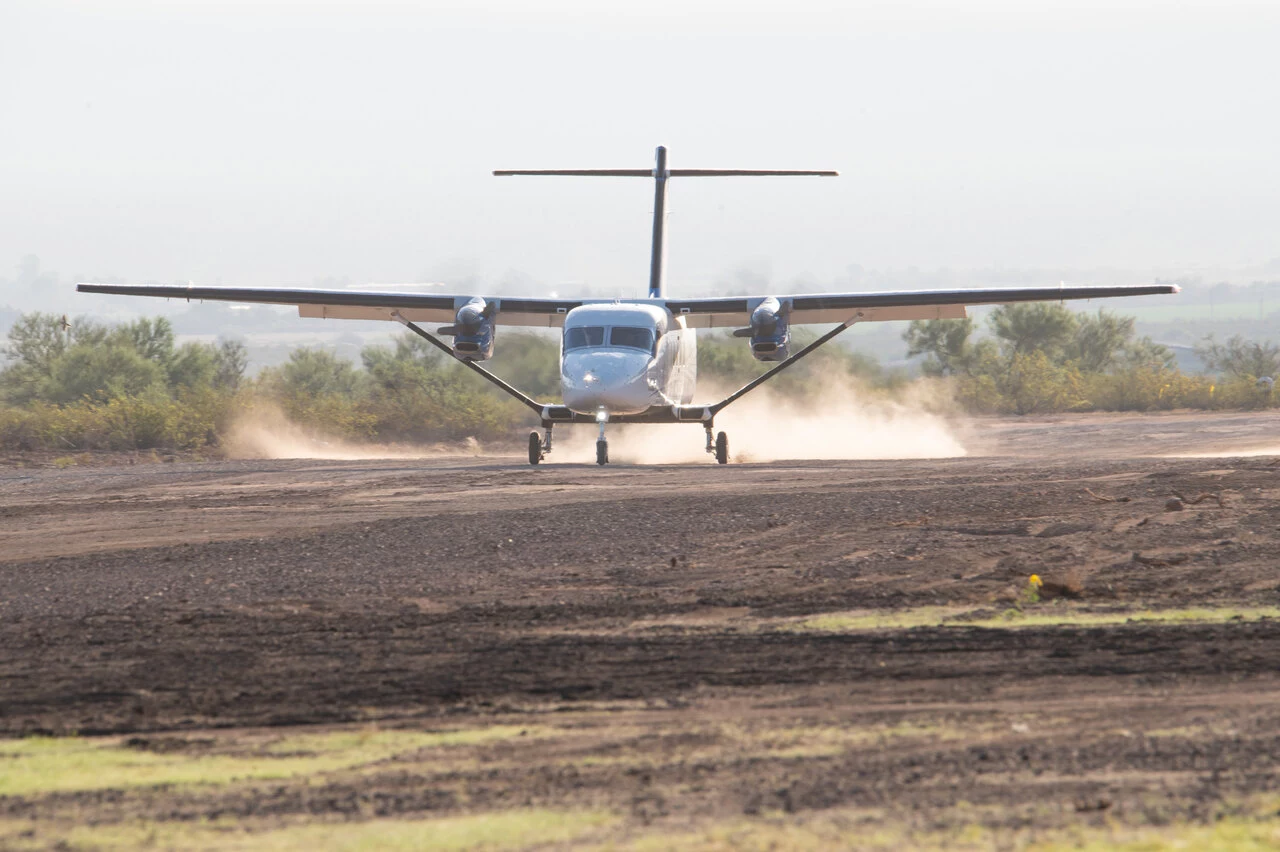
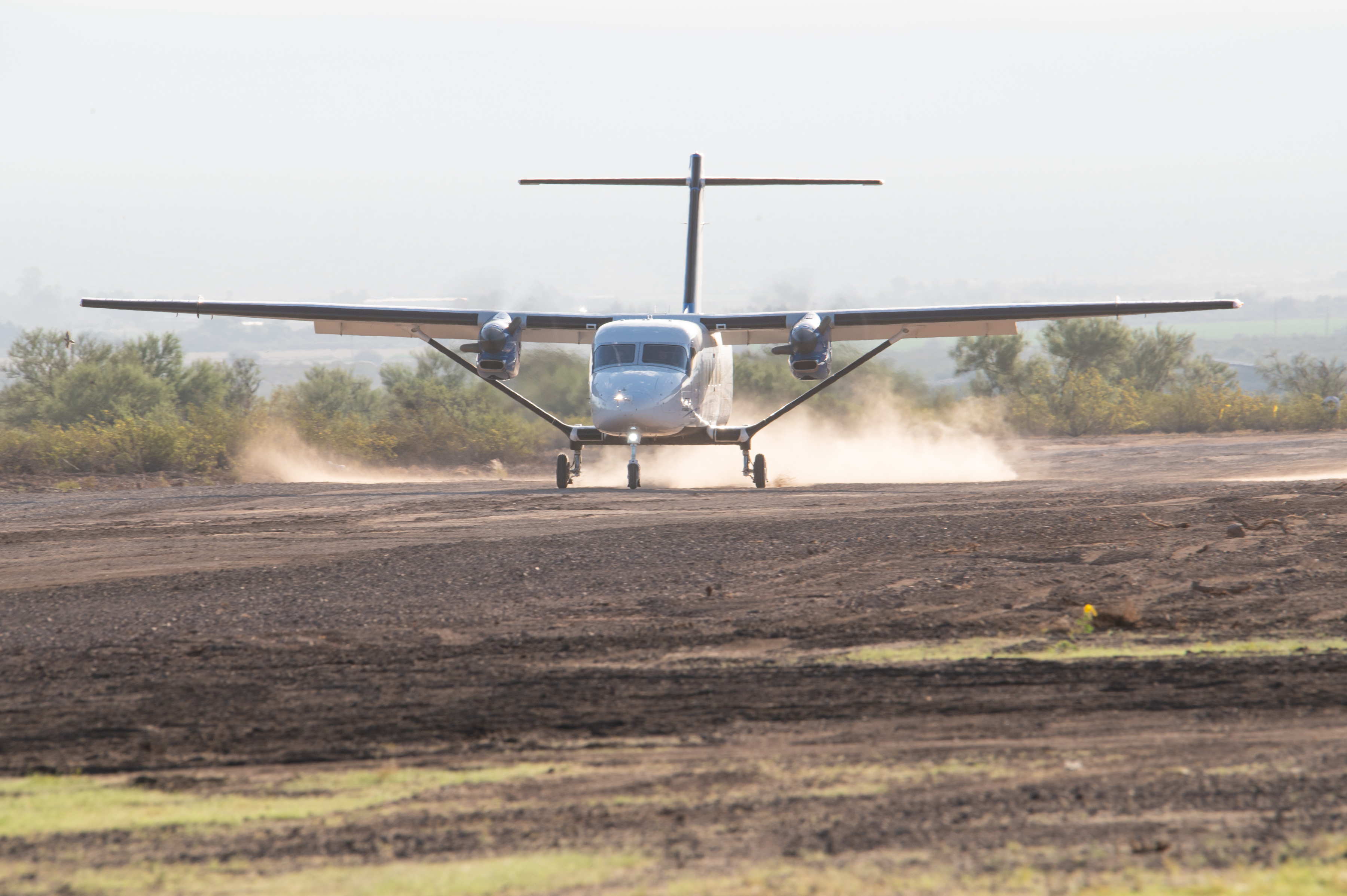
The Cessna SkyCourier provides a combination of up to 6,000 pounds of payload capacity, room for up to three LD3 cargo containers, short-field performance and operations from austere runways. The concept explores whether those existing aircraft attributes can be combined with autonomous or pilot-optional operations to support distributed logistics missions.
What military challenges does the SkyCourier UX address?
Distributed operations can place forces farther from established supply hubs while making traditional transportation routes more vulnerable to disruption. The Cessna SkyCourier UX concept explores a medium-payload option to move critical cargo when a large airlifter may not be the right asset and a smaller cargo system may not provide enough capacity.
What is contested logistics?
In plain terms, contested logistics is the challenge of keeping forces supplied when an adversary can disrupt, deny or attack established transportation routes.
What could SkyCourier UX carry?
Current design objectives call for approximately 6,000 pounds of payload and space for up to three LD3 cargo containers. Potential applications include transporting repair parts, medical supplies and other mission-critical cargo.
What mission would SkyCourier UX support?
A SkyCourier UX-type capability could move repair parts, medical supplies, maintenance equipment or other mission-critical cargo from a larger logistics hub to a smaller austere airfield. The concept is intended to explore intra-theater distribution between established hubs and dispersed operating locations where a large airlifter may not be the most efficient option and a smaller autonomous cargo system may lack sufficient capacity.
jpg
Where does SkyCourier UX fit within military logistics networks?
The Cessna SkyCourier UX concept is intended to explore the space between small autonomous resupply systems and large military airlifters. The concept focuses on medium-payload, hub-to-spoke logistics missions that may benefit from greater cargo capacity than smaller systems can provide.
How is SkyCourier UX different from a cargo drone or VTOL resupply aircraft?
The principal distinctions are payload class, cargo volume and operating model. SkyCourier UX is conceived as a medium-payload, runway-capable aircraft rather than a replacement for smaller cargo systems, vertical takeoff and landing aircraft or large military airlifters.
What is the nose-opening design?
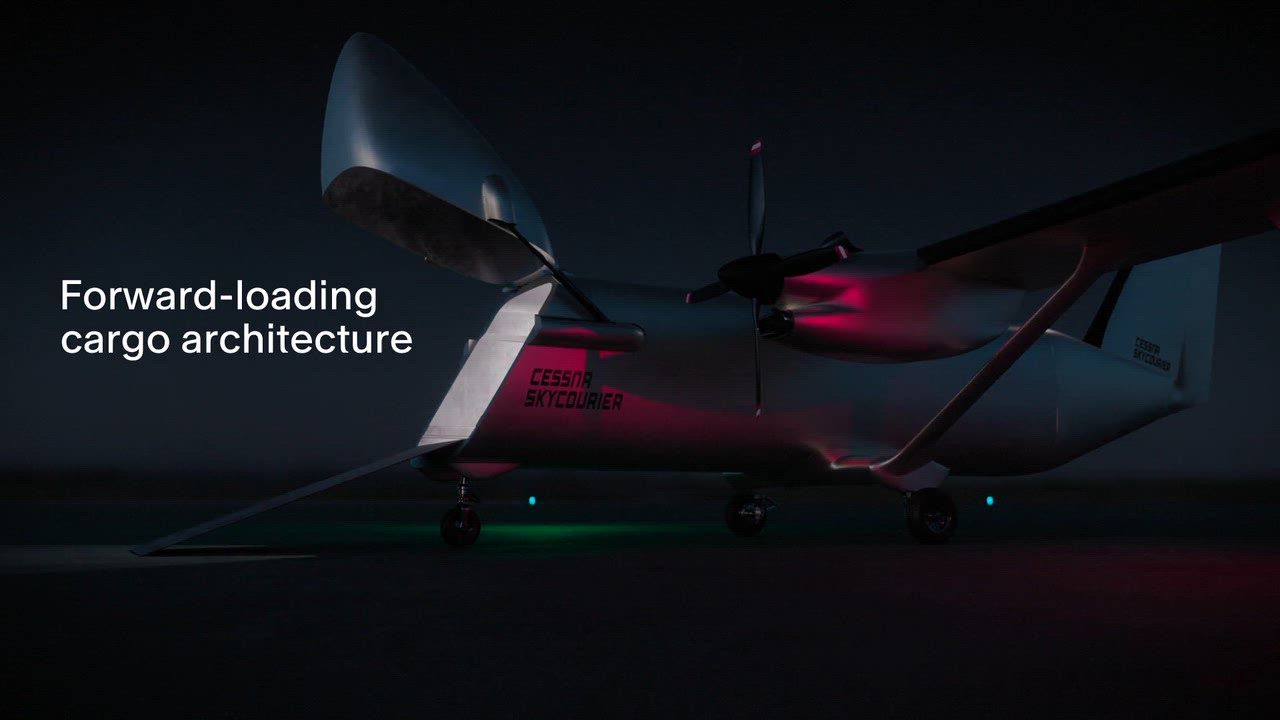
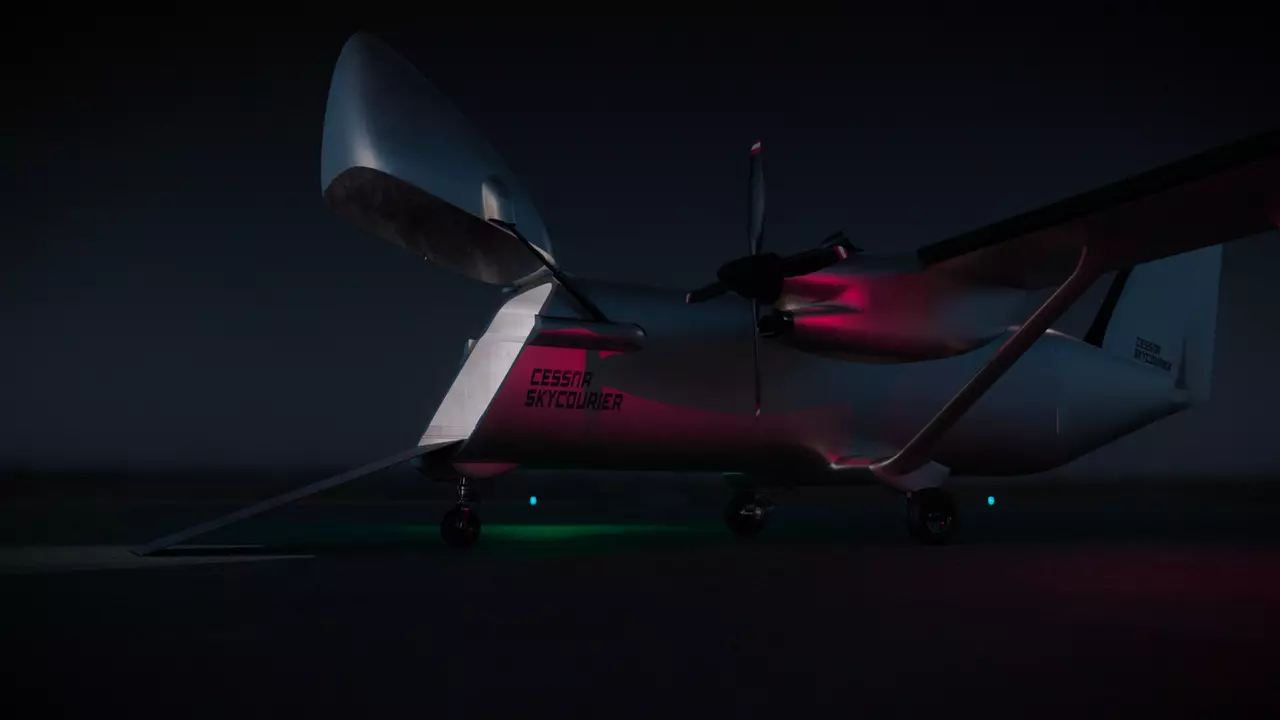
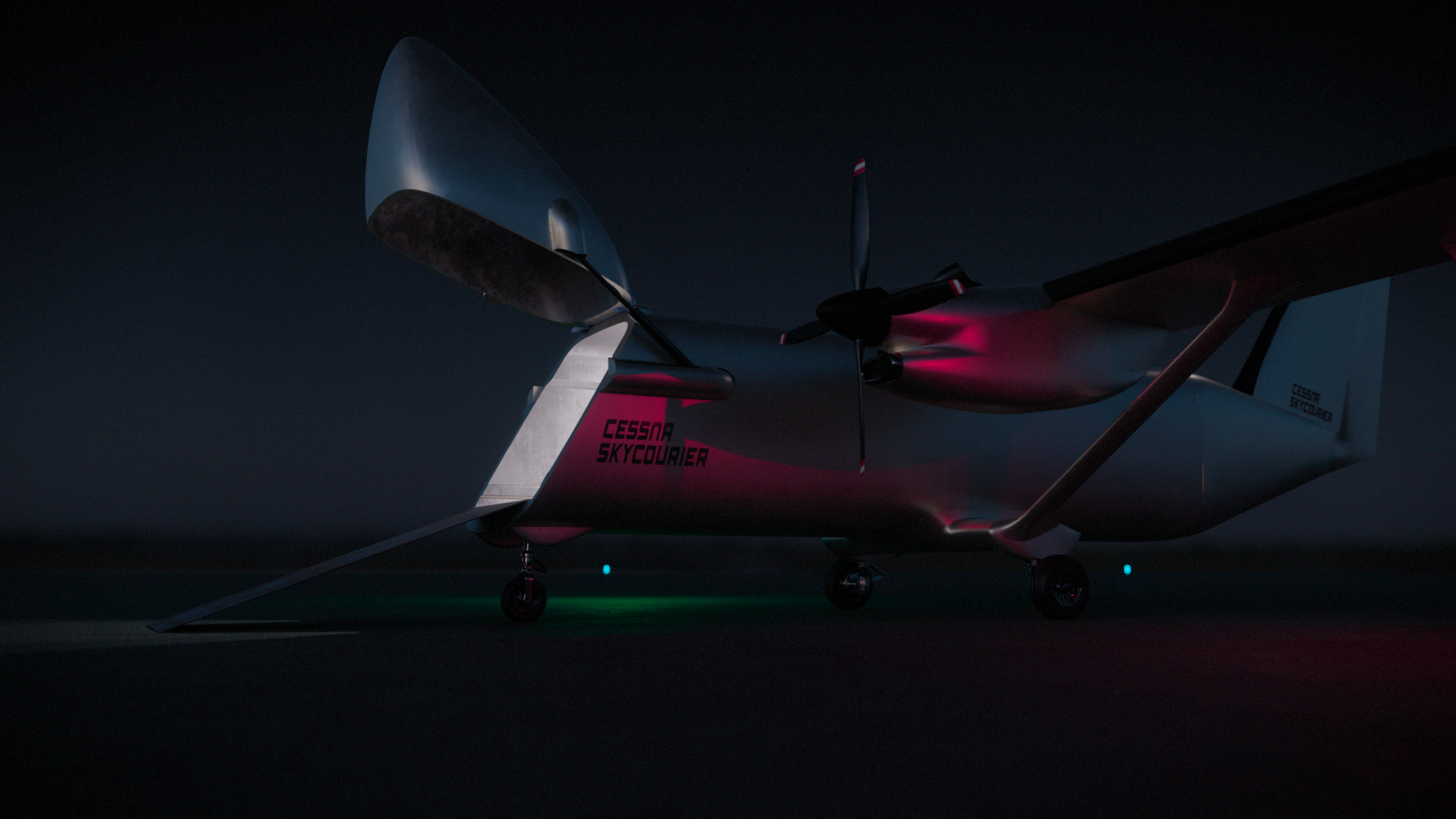
The SkyCourier UX concept evaluates a forward-loading architecture featuring a nose lift opening that could improve cargo accessibility and maximize usable cargo volume when a crew is not required. The team is also evaluating aircraft kneeling features to simplify loading and unloading operations.
png
What evidence indicates a need for SkyCourier UX?
Public military doctrine, government-sponsored research and service experimentation all point to growing interest in resilient logistics and autonomous distribution capabilities. The U.S. Marine Corps' Installations and Logistics 2030 plan identifies unmanned distribution as a capability gap, while NAVAIR's ULS-A program and MARV-EL initiative are exploring autonomous resupply concepts. The Air Force, AFRL and AFWERX have also supported autonomous cargo flight demonstrations through Autonomy Prime and related exercises. At the Department of War level, the Defense Science Board's Survivable Logistics report identifies logistics resilience as a critical challenge and recommends investment in innovative distribution approaches and autonomous systems. Together, these efforts demonstrate growing military interest in autonomous and resilient logistics solutions.
How mature is SkyCourier UX today?
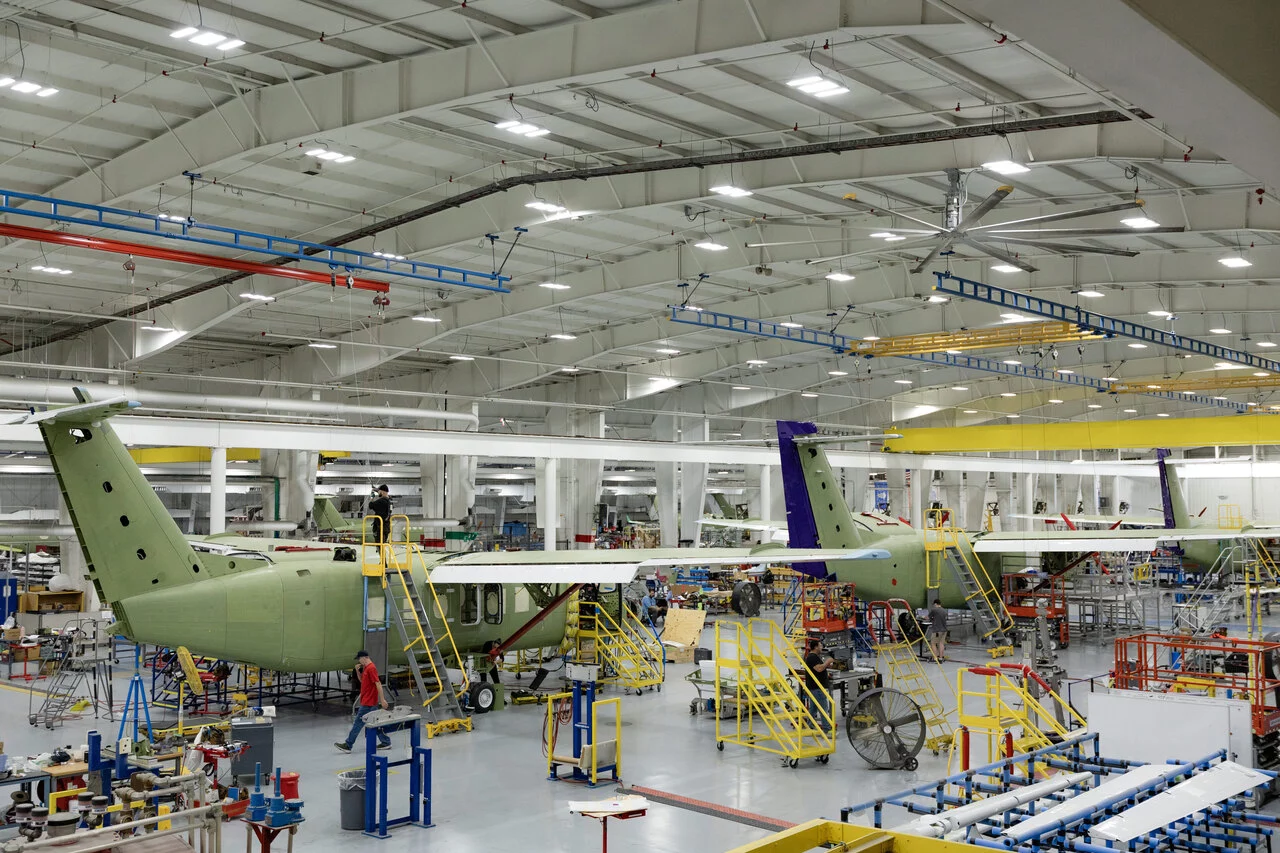
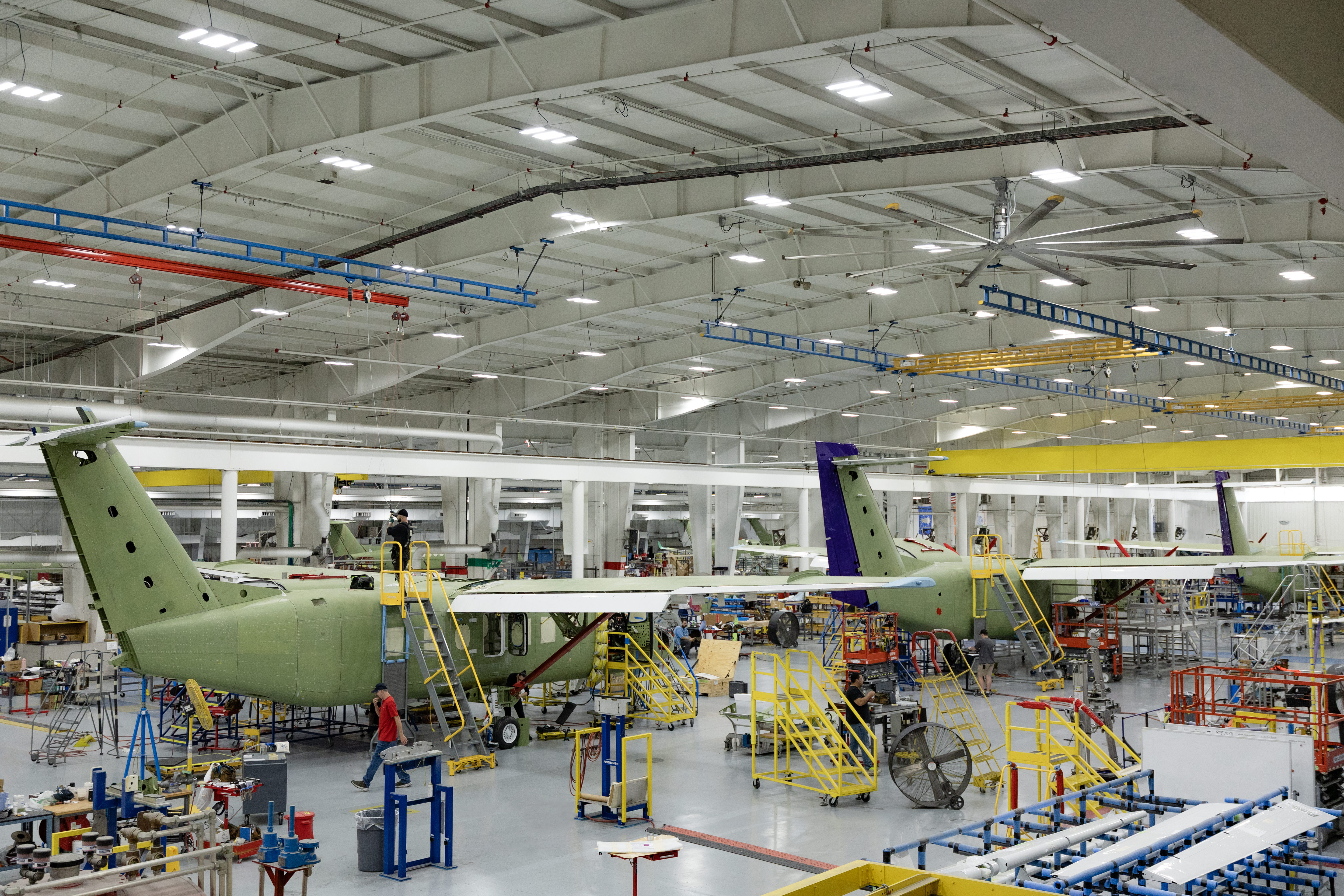
SkyCourier UX is currently a concept and evaluation effort. Textron Aviation is evaluating mission relevance, integration feasibility, safety requirements and customer priorities. While the SkyCourier UX is not a flying demonstrator or program of record, the FAA-certified freighter, passenger and combi Cessna SkyCourier configurations are manufactured in Wichita, Kan.
Textron Aviation announced an order from Civil Air Patrol (CAP) for 21 additional Cessna piston aircraft that will support CAP's emergency response, training and community missions across the U.S. ...
Paraguayan Air Force (Fuerza Aérea Paraguaya) has become the first South American military operator of the Cessna SkyCourier turboprop, marking another milestone for the aircraft’s multi-mission ve...
Air & Space Forces Magazine features the Cessna SkyCourier UX concept in its coverage of autonomous cargo aircraft and the evolving needs of contested logistics.
Discover how the Cessna SkyCourier UX could bridge military supply gaps, delivering repair parts, medical supplies and cargo in remote or contested environments.