Ron Draper on the State of General Aviation: Innovation, Workforce and Looking Forward
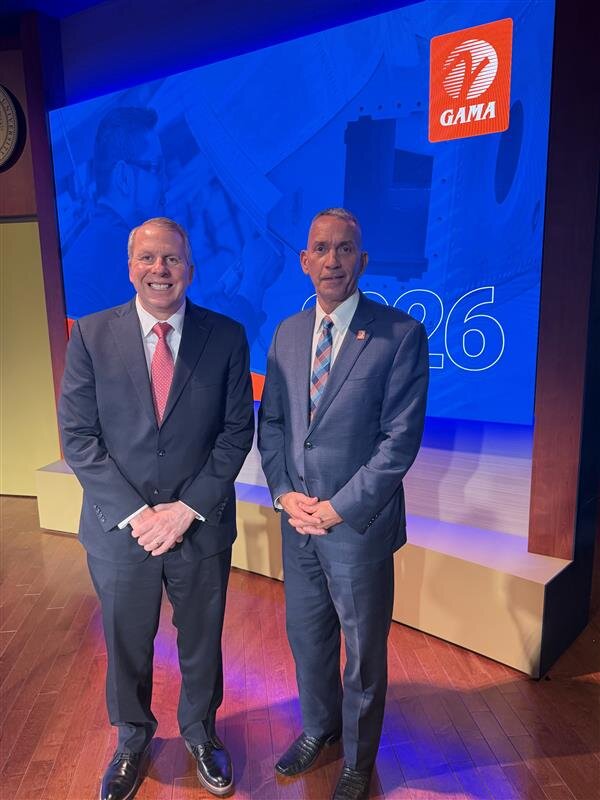
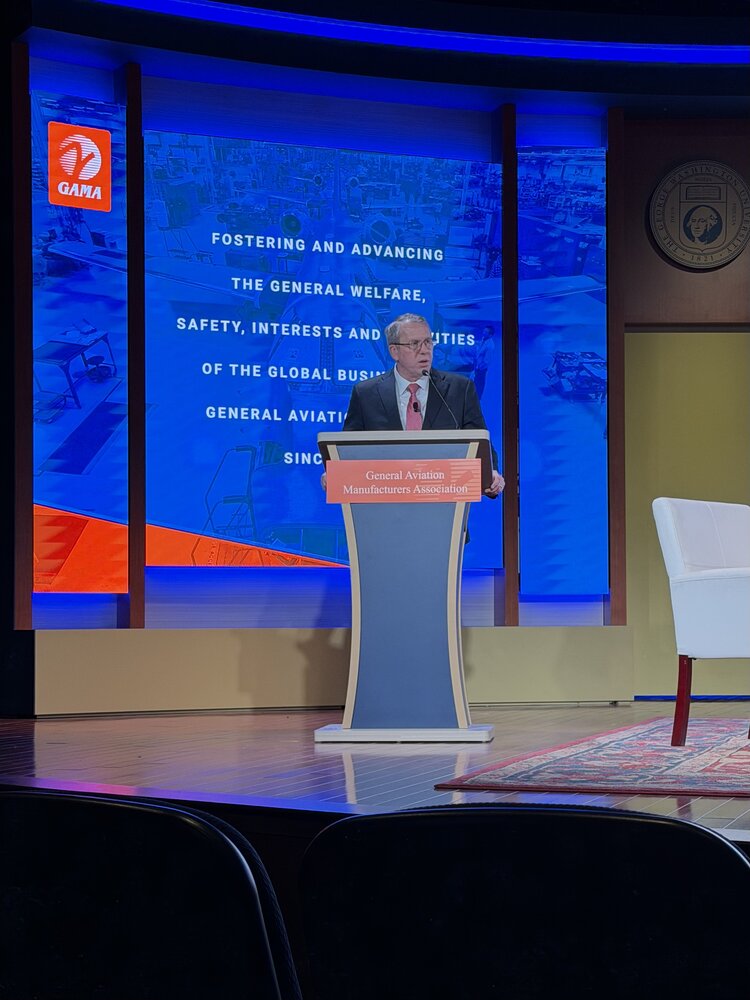
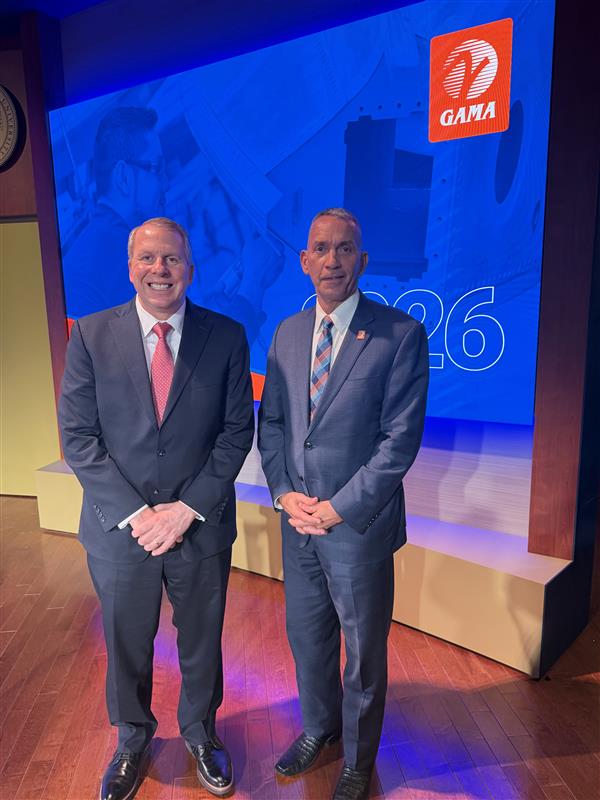
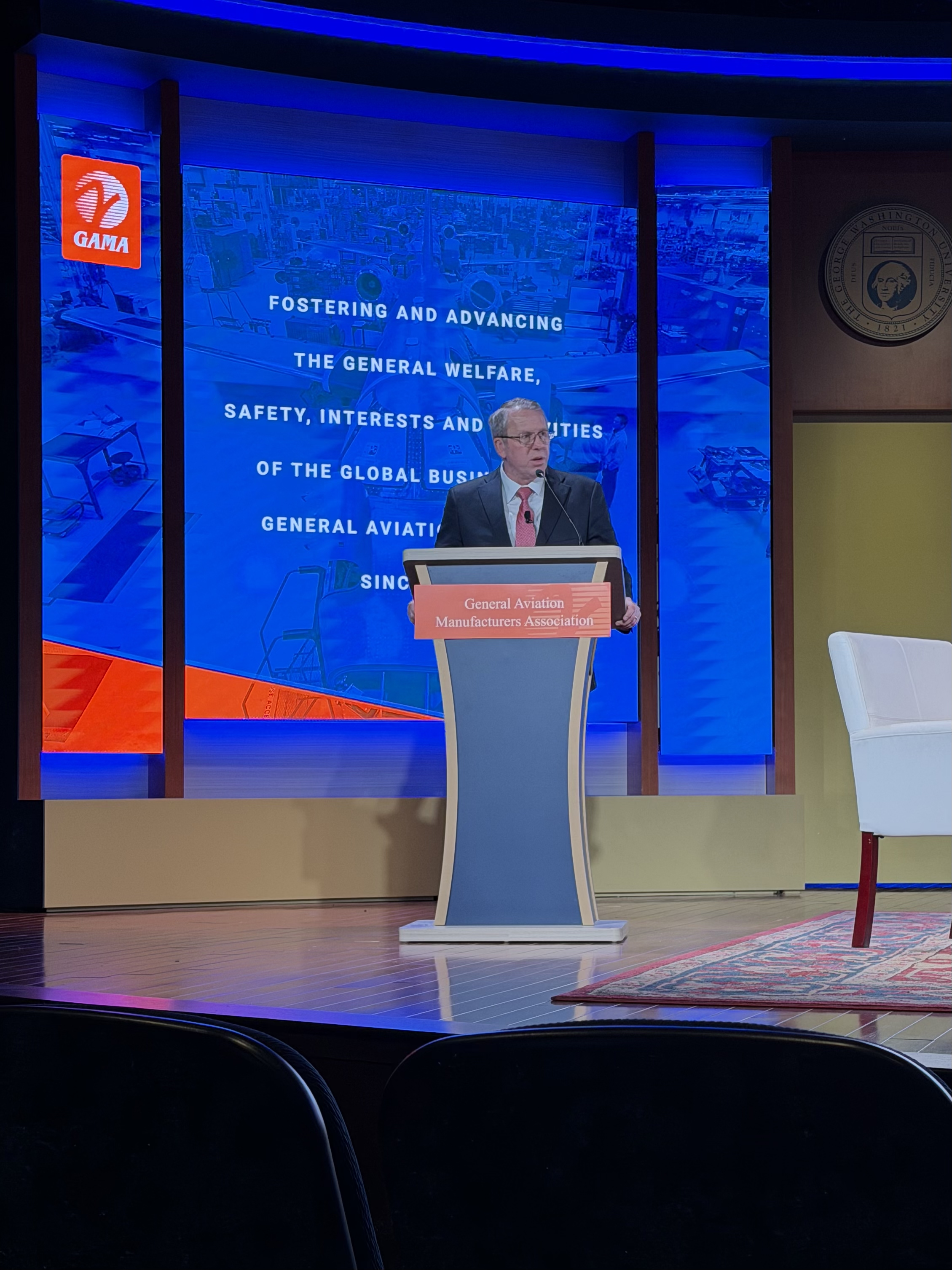
At the General Aviation Manufacturers Association (GAMA) State of the Industry Press Conference, GAMA Chairman Ron Draper, president and CEO of Textron Aviation, delivered a clear message about the strength and future of general aviation. Speaking alongside industry leaders, Draper positioned the sector as a driving force for technological advancement and economic growth while outlining the opportunities ahead.
Draper told reporters the general aviation industry remains on solid footing, supported by strong customer demand and another year of record billings. “The industry feels very healthy,” Draper said. “I think all OEMs are seeing good sales and backlogs, and the market’s been strong.”
The industry feels very healthy. I think all OEMs are seeing good sales and backlogs, and the market’s been strong.
GAMA Chairman Ron Draper, president and CEO of Textron Aviation
He noted that companies are turning to general aviation to meet evolving business needs, a trend reinforced by the sector’s reputation as a fast mover in advanced technology. Draper said today’s general aviation aircraft often outpace commercial and military platforms in cockpit safety, automation and situational awareness.
“If you buy one of the aircraft that this industry is producing today … it has more technology, more situational awareness for the pilot and their airspace than most of the airliners you’re getting on or most of the military aircraft that are flying in the airspace,” he said. He emphasized that the industry’s ability to bring new systems to market quickly gives operators early access to innovations that ultimately strengthen the broader aviation ecosystem. "We're able to introduce technology faster, and we're investing at a rapid rate," he said. "This industry is a really good incubator and developer of technology."
jpeg
We're able to introduce technology faster, and we're investing at a rapid rate. This industry is a really good incubator and developer of technology.
GAMA Chairman Ron Draper, president and CEO of Textron Aviation
Workforce: A critical constraint and industry priority
While the market outlook remains strong, Draper said labor shortages across the supply chain often limit production more than demand does, driven by retirements and the need to train new employees to replace decades of experience. “It takes highly skilled and talented people to build these machines and to build all the parts that go in them,” he said. “We’re trying to solve this problem any way possible.”
jpg
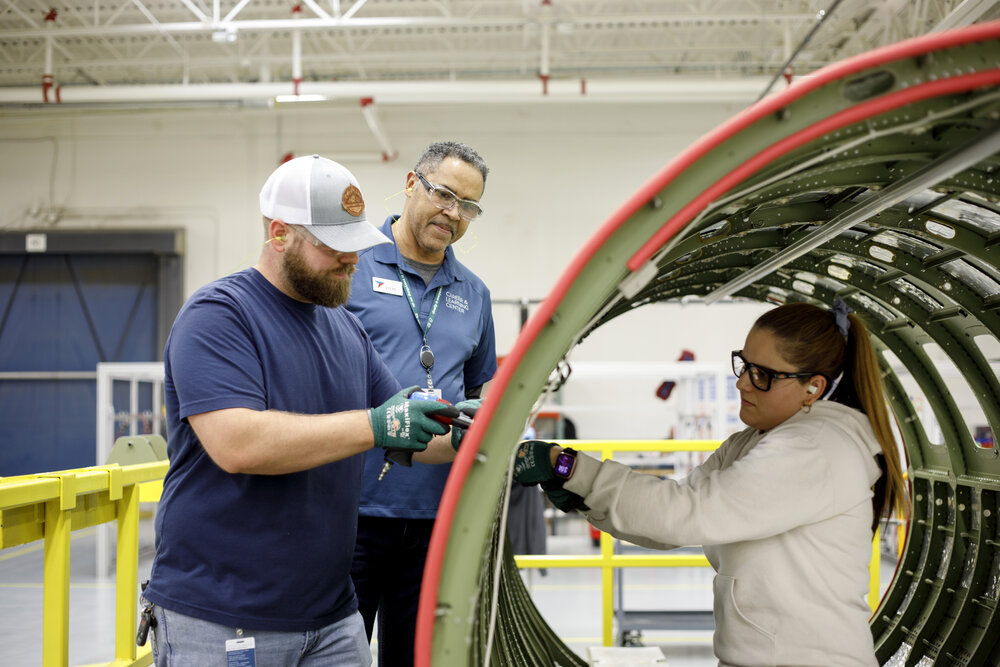
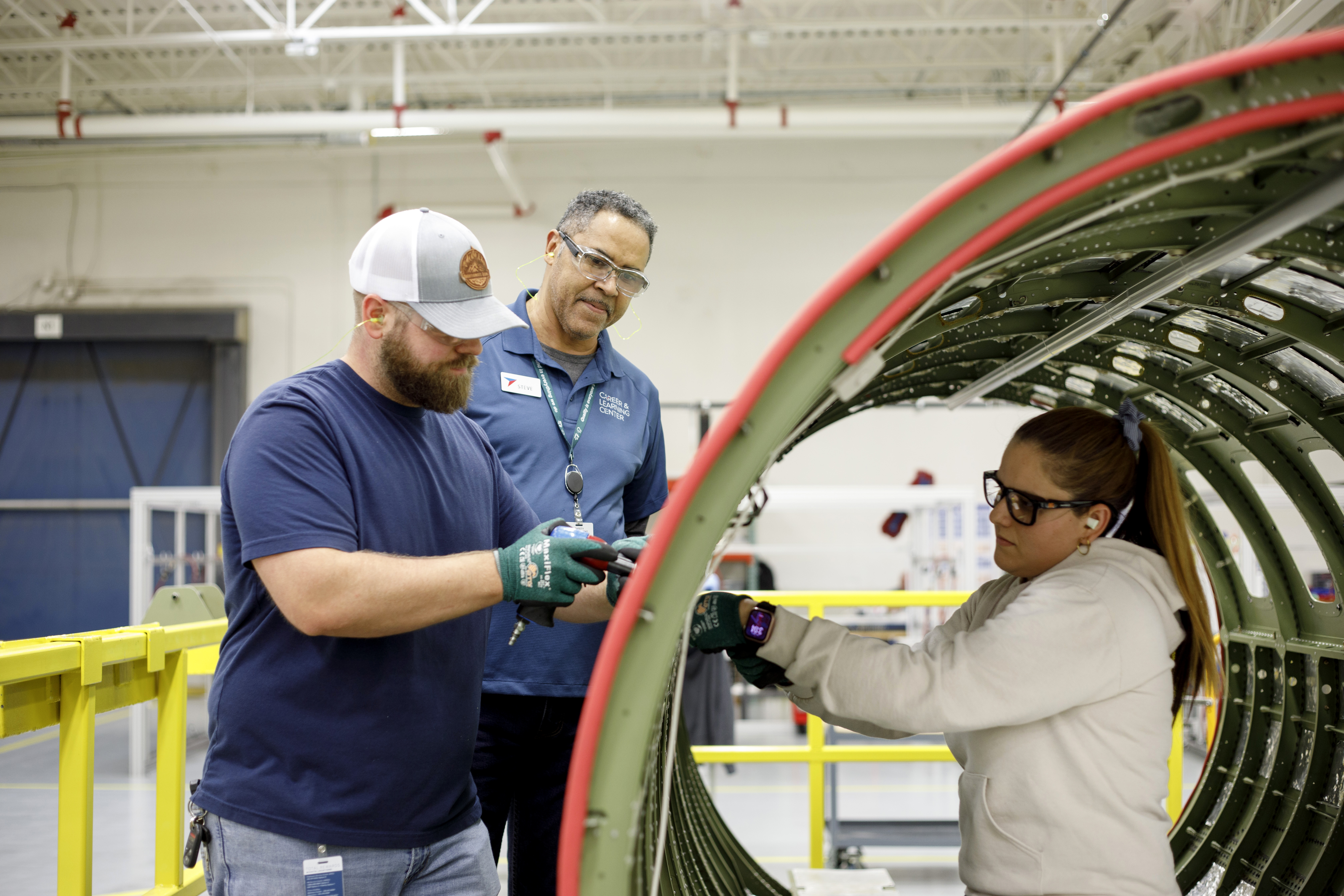
Career & Learning Center Training
Draper described an increasingly proactive approach to talent development, including outreach to high school students, veterans and adults seeking career changes. “We bring in high school interns every summer … and they’re learning about the different jobs that we have in hopes that when they finish high school, perhaps they choose a trade.”
Textron Aviation’s investment in training infrastructure is a central part of this strategy. Draper highlighted the company’s new Career and Learning Center and its simulated factory environment. “We built a new training career center … a simulated factory so we can take somebody with no skill and put them through what it’s like in their job classification.”
png
Advancing global certification with steady progress at the FAA
As GAMA chairman, Draper underscored the need for stronger global alignment in aircraft certification, calling consistent regulatory standards essential for safe, efficient design and international sales.
“We design and build aircraft … with the hope of selling it all over the world,” he said. “We need alignment between these regulation agencies — Transport Canada, the FAA, EASA, ANAC and others around the world.”
jpg
Cessna Citation Latitude air-to-air
Draper acknowledged that harmonizing standards across countries is complex, but he emphasized that it remains a critical priority for manufacturers and customers who rely on predictable, coordinated regulatory pathways. He also pointed to encouraging signs of progress at the FAA, noting improvements in staffing, training and engagement that support a healthier certification environment.
“I would just commend the FAA. They are making improvements,” he said. “They are in the office. They are hiring. They’re trying to train people. We see progress.”
Textron Aviation announced the coordination of the ninth Special Olympics Airlift, a monumental event aimed at transporting hundreds of athletes and coaches across country to the 2026 Special Olymp...
Textron Aviation has received Federal Aviation Administration approval of the company’s new Safety Management System implementation plan to support the design and manufacturing of Cessna and Beechc...
In the fall of 2025, Textron Aviation will bring this enchanting world to life for others with the Textron Aviation Flight Adventure, a captivating attraction nestled within Exploration Place's vis...
Over 800 Special Olympics athletes and their coaches arrived safely and efficiently in Orlando for the 2022 USA Games thanks to Cessna, Beechcraft and Hawker customers.